- Calibrations
- Thermal validations
- HVAC & Clean Room Validation
- PLC, CS & Spread Sheet (Excel) Validation
- Steam Quality Test
- Compressed Air Validation
- Facility / Equipment Qualification


The testing involved in facility utility pure steam validation requires a continuous supply of saturated steam; preferably sourced from the actual line that supplies your sterilization systems. Too high a level of non-condensable gases will prevent the attainment of sterilization and too little moisture carried in suspension may allow the steam to become super-heated during expansion into the chamber, while excess moisture may cause damp loads. Where steam systems are either routinely or irregularly shut down, large quantities of air will be present in the distribution system on restarting. It is recommended that in such circumstances a comprehensive and validated venting procedure should be applied and testing steam quality should be routinely executed.
Why Steam Quality Test is require?
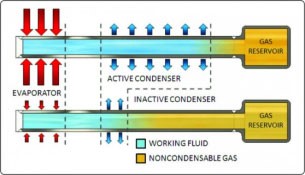
Non-condensable Gases Test: Non-condensable gases originate from the water that the steam is generated from. The effect of such gases being present in the steam supply to a sterilizer can be the same as air, none sterilization of the volume they occupy.
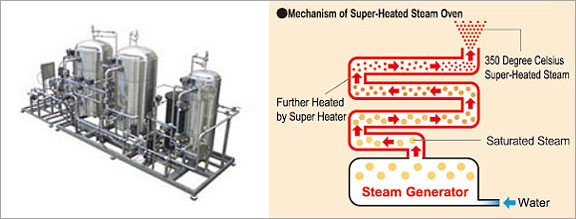
Super-heated Steam Test: Superheated steam is steam at a temperature above its boiling point for its pressure. Superheated steam acts as hot air and requires sustained high temperatures and long hold times before sterilization can occur. It is essential in facility utility pure steam validation to verify that the steam being tested is not superheated.
Dryness Value Test: Wet steam is undesirable as it has less energy than dry steam and more importantly can cause wet loads. The packaging used for sterile products prevents reinfection when dry, but its bacterial retentive properties will be adversely affected by the presence of moisture. Wet loads can be considered to be un-sterile. The dryness fraction describes how dry steam is, with a value of 1 representing steam that is 100% dry, and dry, and therefore free of entrained moisture. Steam with a dryness fraction of 0.99 consists of 99% steam and 1% water. If we measure the latent heat present in steam that has a dryness fraction of 0.99 we will find that it possesses 99% of the full quotient of latent heat.
